
 Risk was probably the first area control game most of us ever played. When I started playing Risk, I felt like I “graduated” from Monopoly and was ready for more “grown up” games. At least that’s what went through my head. I played Risk regularly throughout high school, but when my group of friends all moved in separate directions for university, our games became few and far between, until one of our friends discovered Conquerclub.
If you don’t know, Conquerclub is basically an online version of Risk where you can play all kinds of different maps with different scenarios. You can play real-time, you can take a turn every 24 hours, and you can play co-op as well. We played so much “Risk” this way that there was no more strategy to discover. It became very clear which territory to try to take over, where to fortify, and when to cash in your cards. At the end of the day, it was how your dice rolled.
At that point, who wants to burn their time playing a board game for hours, where ultimately it depends on your dice roll? It seemed pointless.
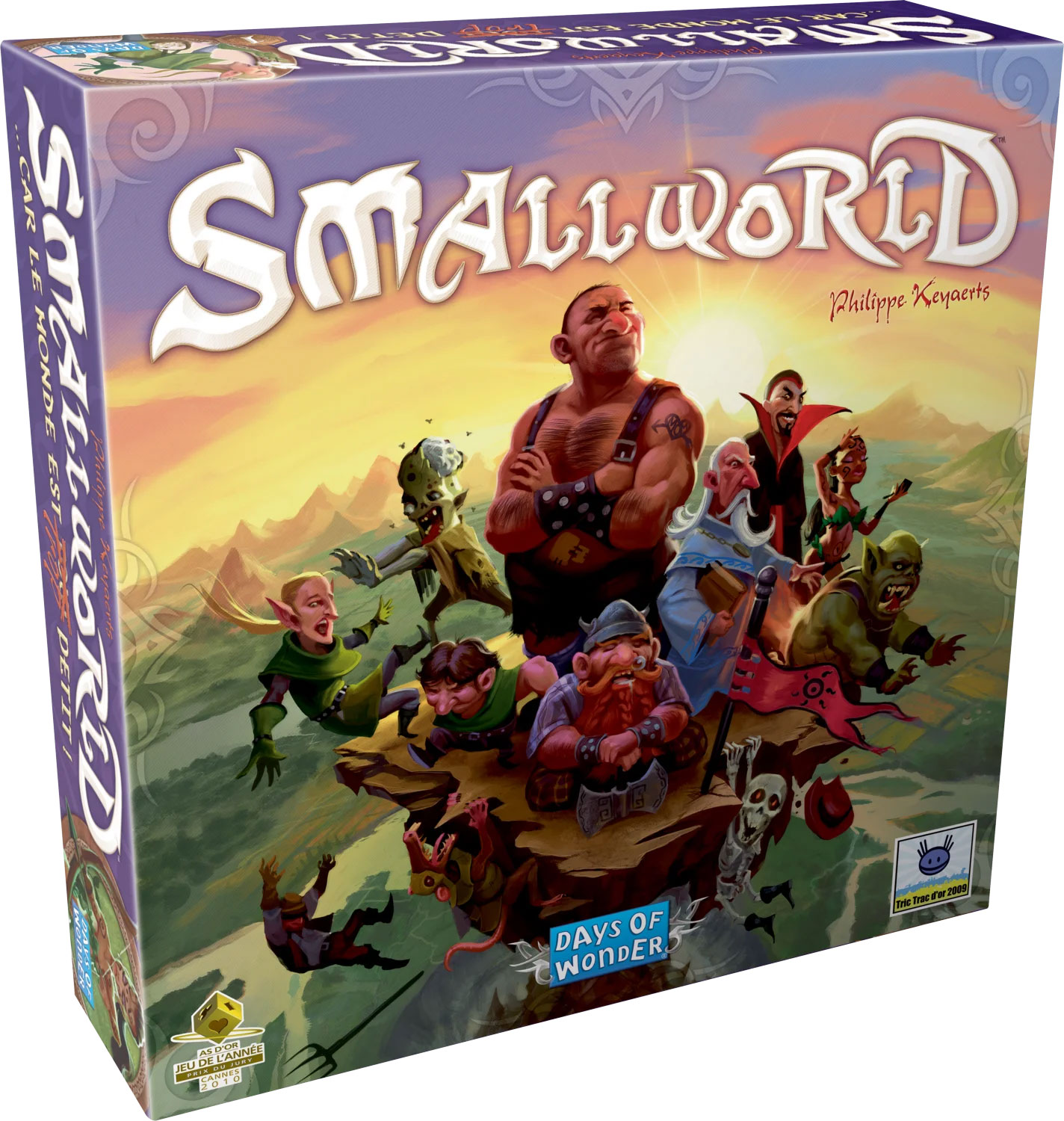
And then we discovered Small World by Days of Wonder. It was a fairly new game at the time, but about to be a classic that can easily be lumped in with Catan and Ticket to Ride.
Small World is a chaotic area control game set in a fantasy world with “Commando Ghouls”, “Spirit Trolls”, “Dragon Master Tritons” and countless more races with superpowers trying to conquer as much territory as possible for as long as they’re alive.
That’s right, for as long as they’re alive. Although Small World is nearing 20 years old it has a mechanic rarely seen in other board games, “Rise and Fall” or “Civilization Cycling”. Small World calls this “going into decline.”
Gameplay Overview:
At the start of the game, you draft one of six available races and a randomized superpower from a face-up lineup—like Underworld Giants or the Fortified Amazonians. You also gather the appropriate number of matching troops according to the listed number on the race. On your turn, you either conquer territories with your active race or put them into decline so you can choose a new race on your next turn.
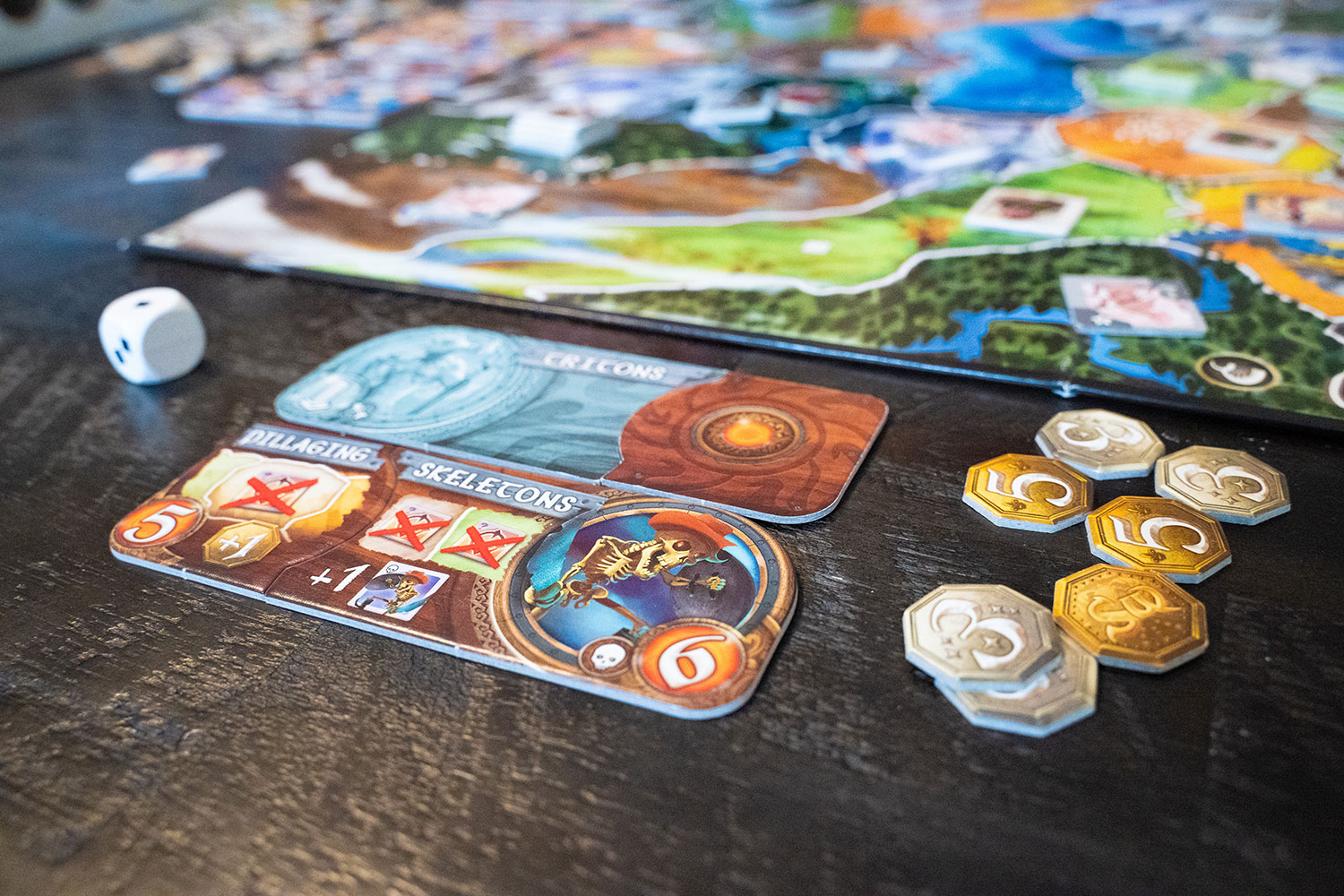
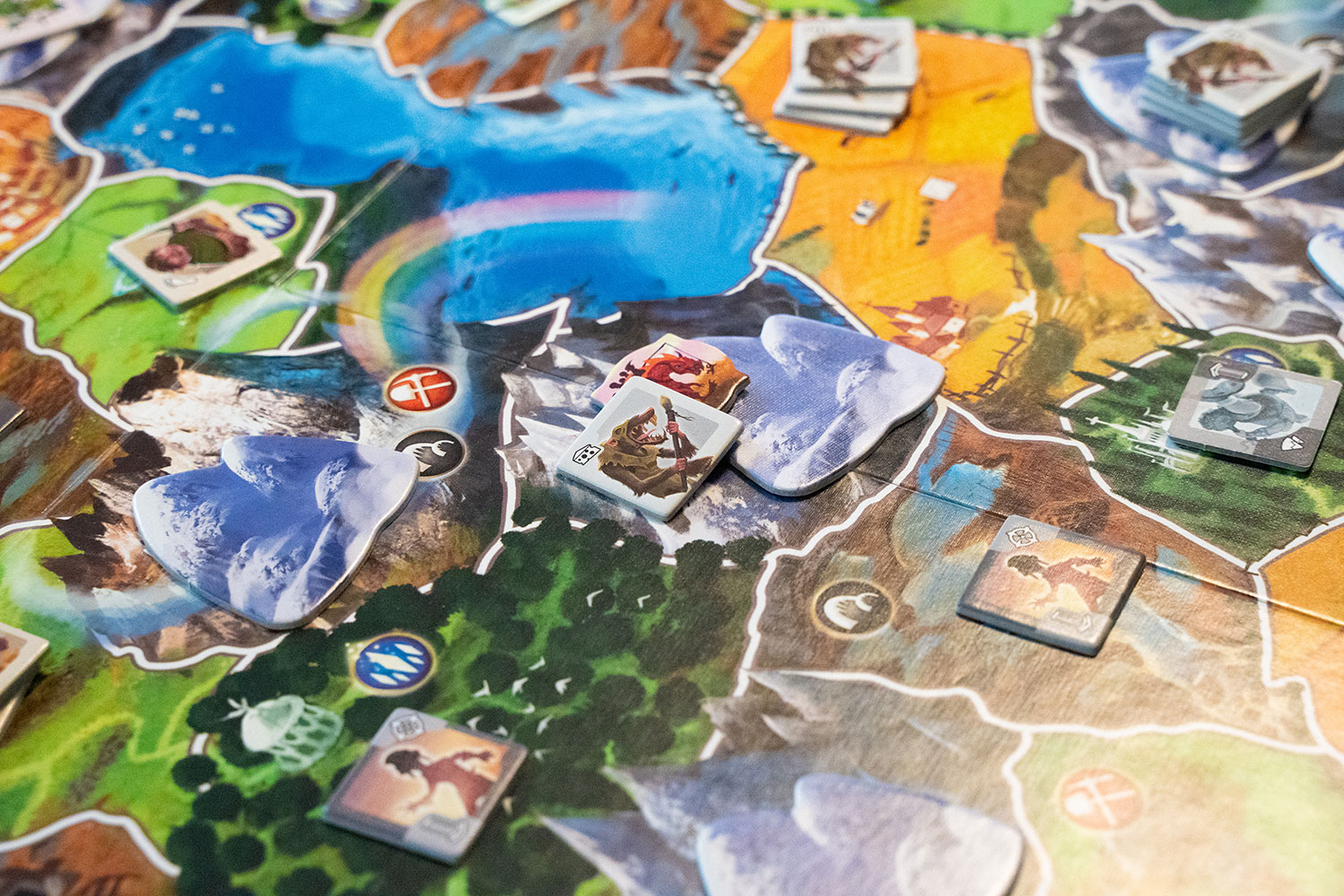
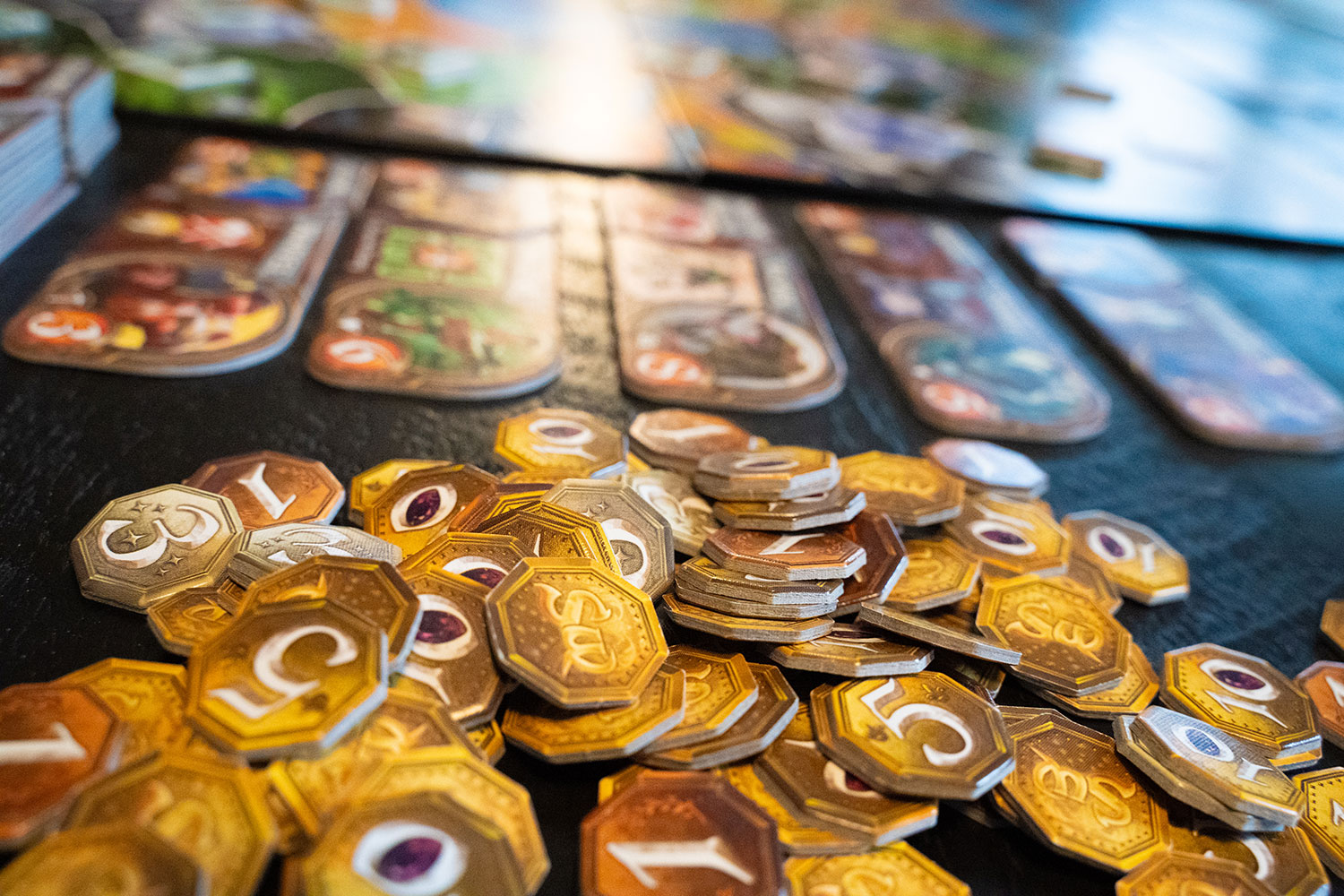
Conquering a territory is simple; you just need to have one more troop than the number of troops on the existing territory. At the end of your turn, you score 1 victory coin for each territory you hold, plus bonuses from your special powers.
Each race and superpower breaks the rules of the game in a way that can help you score more points or defend your territory.
Eventually, you’ll start running out of troops and get stretched too thin to conquer more territories. When that happens, you’ll want to choose to spend an entire turn going into decline. You flip your troops to their gray side and discard your active power. They can no longer move, but they stay on the board and continue to score points for you. On your next turn, you draft a brand-new active race combo to smash onto the map, allowing you to score from two different empires at the same time.
Game Experience:
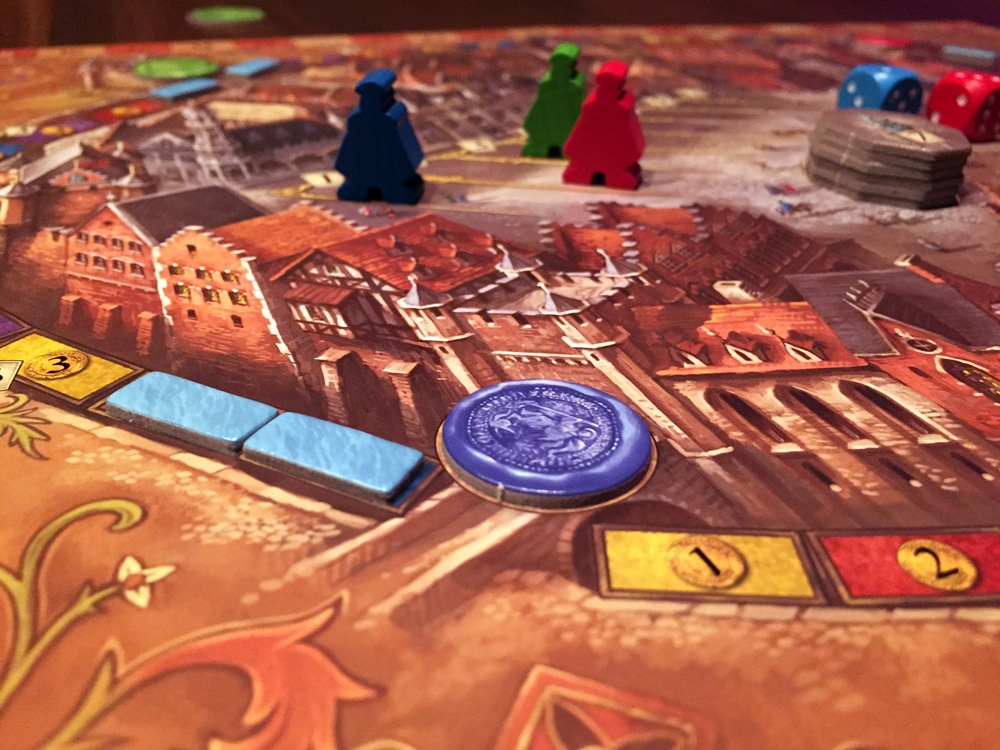
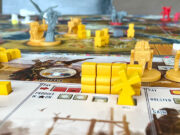
True to its title, Small World lives up to its name by making the board feel incredibly crowded right from the first turn. Days of Wonder generously included separate maps for 2, 3, 4 and 5 player maps ensuring that no matter your player count, you won’t be able to avoid making enemies for very long.
I’m a sucker for a fantastic fantasy-themed game with vibrant artwork. But what really keeps the game fresh is how it pairs races with random superpowers every game. You aren’t just playing as generic Orcs or Wizards; you might be choosing Commando Ghouls, Spirit Trolls, or Dragon Master Tritons.
Because these combinations are randomized every single setup, the possibilities feel endless, and your strategy must pivot depending on the specific combo you draft and when you draft. I love the combat is simple and straightforward: Do I have more troops than my opponent does on the territory I want to conquer?
That said, Days of Wonder did include one die in the box, but it’s used smartly. You only get to roll the die once at the very end of your turn if you are trying to conquer one final territory but are short by one or two troops. It adds a fun little gambling push to finish your turn, but it’s rarely game-breaking, and there is zero chance for an opponent to go on a lucky, hot-streak run with the die and wipe you out.
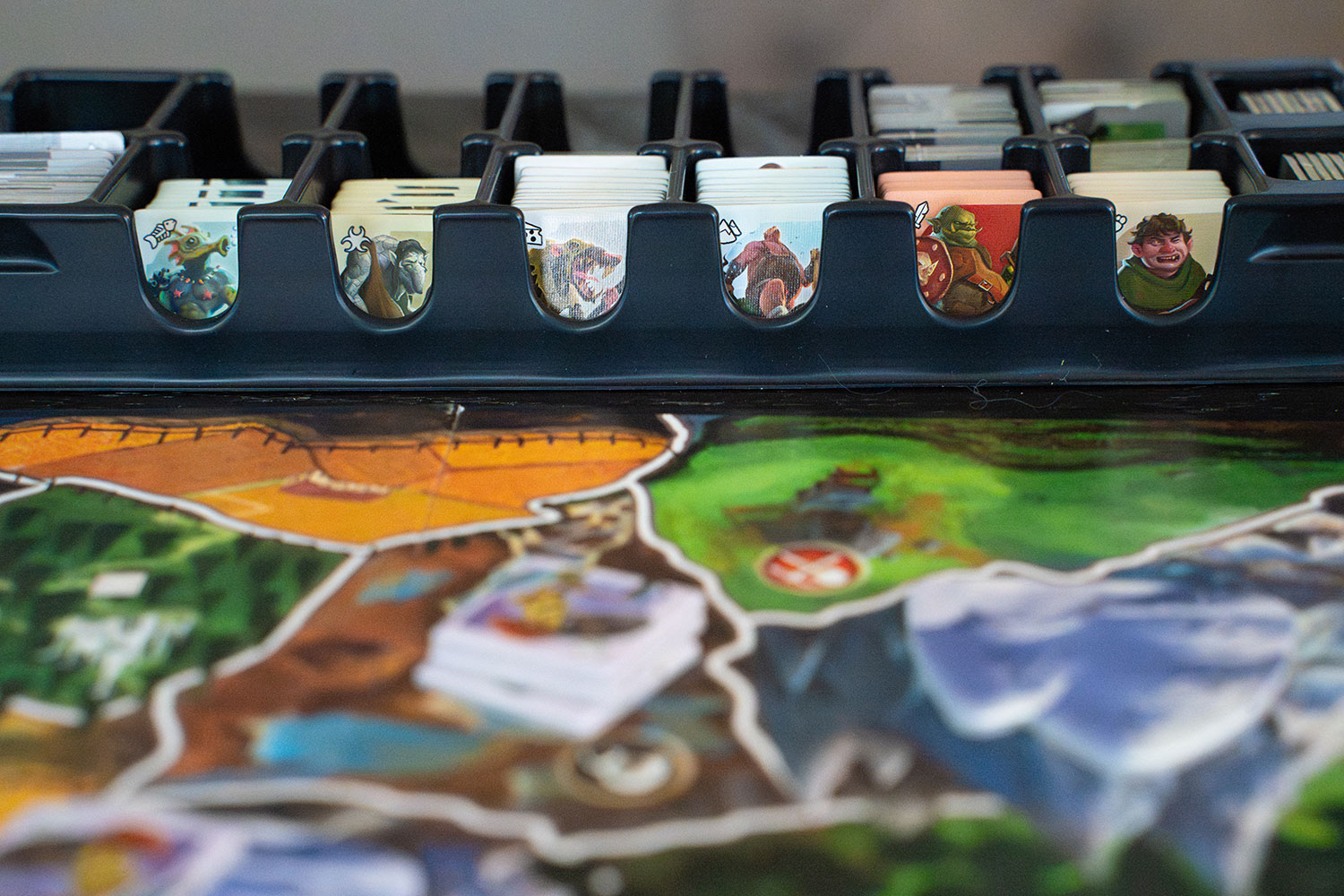
The real tension of the game is the “in decline” mechanic. It’s such a novel mechanic that I haven’t played anywhere else. If you wait too long to decline, your troop count gets low, and you waste valuable turns stalling out. But if you decline too early, you risk an opponent picking up that perfect race and superpower combo that’s currently sitting in the lineup waiting to be picked. Unfortunately, going in decline too early or too late could leave you playing catch-up the rest of the game.
Adding to that tension is how the game handles scoring. Your victory coins are kept completely secret, meaning you never truly know how many points your opponents have hoarded. This keeps everyone engaged until the final reveal, but it can make things tricky on the board. Without a visible scoreboard, it’s a constant guessing game to figure out whose territories you actually need to target to stop a runaway leader.
It’s also where players can make enemies when they suggest, truthfully or not, to everyone else who they think is leading the game and who they should attack.
If you ever do manage to feel like you need more, there are expansions available to provide you with more races, superpowers, and maps. The Realms expansion enables you to create modular maps, and there’s even a standalone “underworld” version that makes the game slightly “darker” and more complex. Not surprisingly, I have all of them.
Final Thoughts:
Small World is nearly 20 years old, so does it stand the test of time?
For me, it absolutely does, and it’s a keeper. The whimsical artwork and simple gameplay make this the perfect gateway game to area control games. It’s the game I’ve always recommended when someone is turned off area control games because they played Risk and think they’re all the same, and it’s the game I’ll continue to recommend.
Although the game does get longer with more players, you are constantly engaged because you might get attacked, and you want to pay attention to how many victory coins everyone is earning each turn.
With the sheer variety of randomized race and power combos in the base game, you could play it for 20 years without seeing the same game twice.
Final Score: 4 Stars – If you want a global domination game that isn’t dependent on the roll of the dice, Small World is a game definitely worth trying.
 Hits:
Hits:
• Fantastic artwork and theme
• Incredible replayability
• Unique “in decline” mechanic that works
Misses:
• Catching up can be hard to go “in decline” at the wrong time
• Can get fiddly with so many pieces on the board